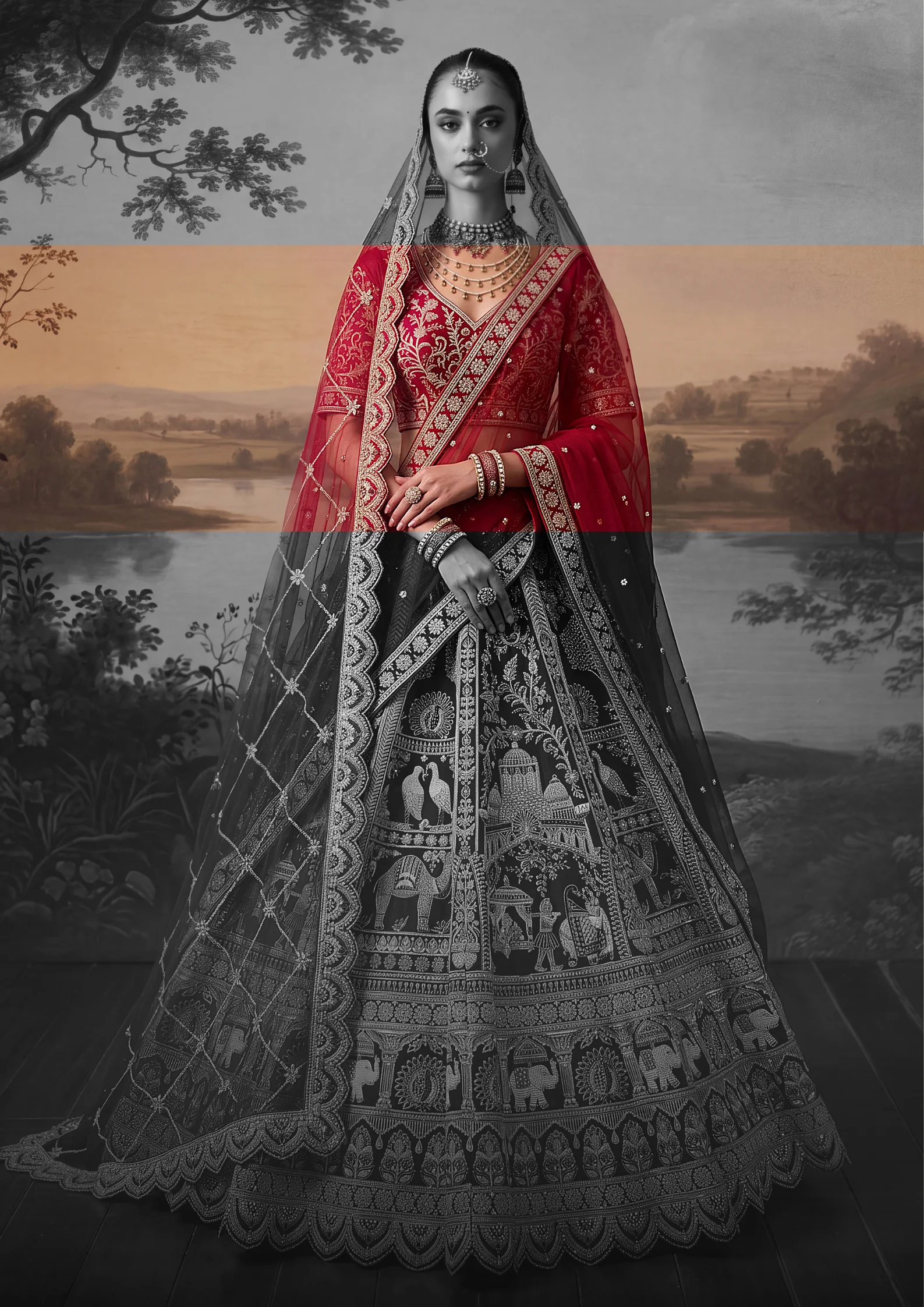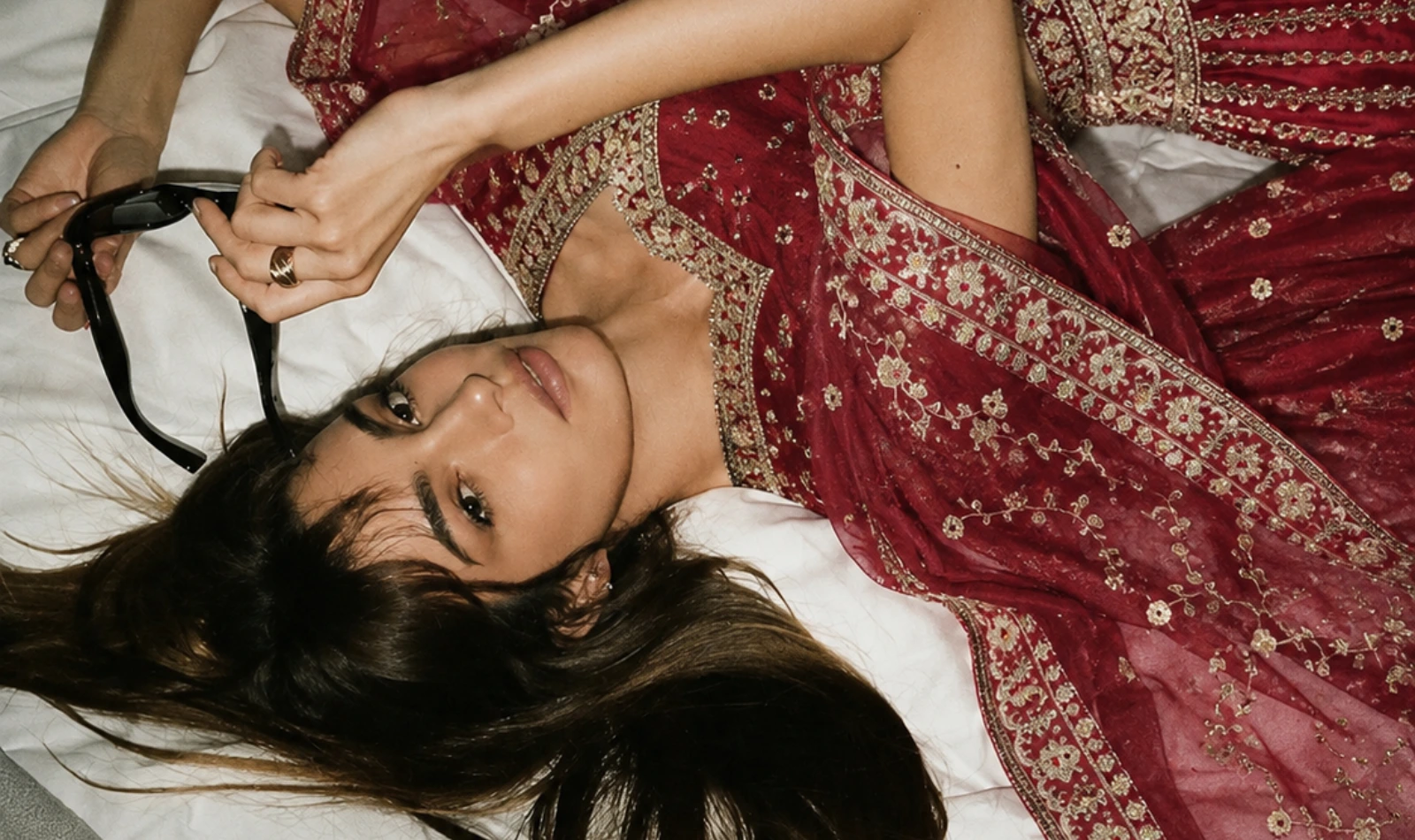
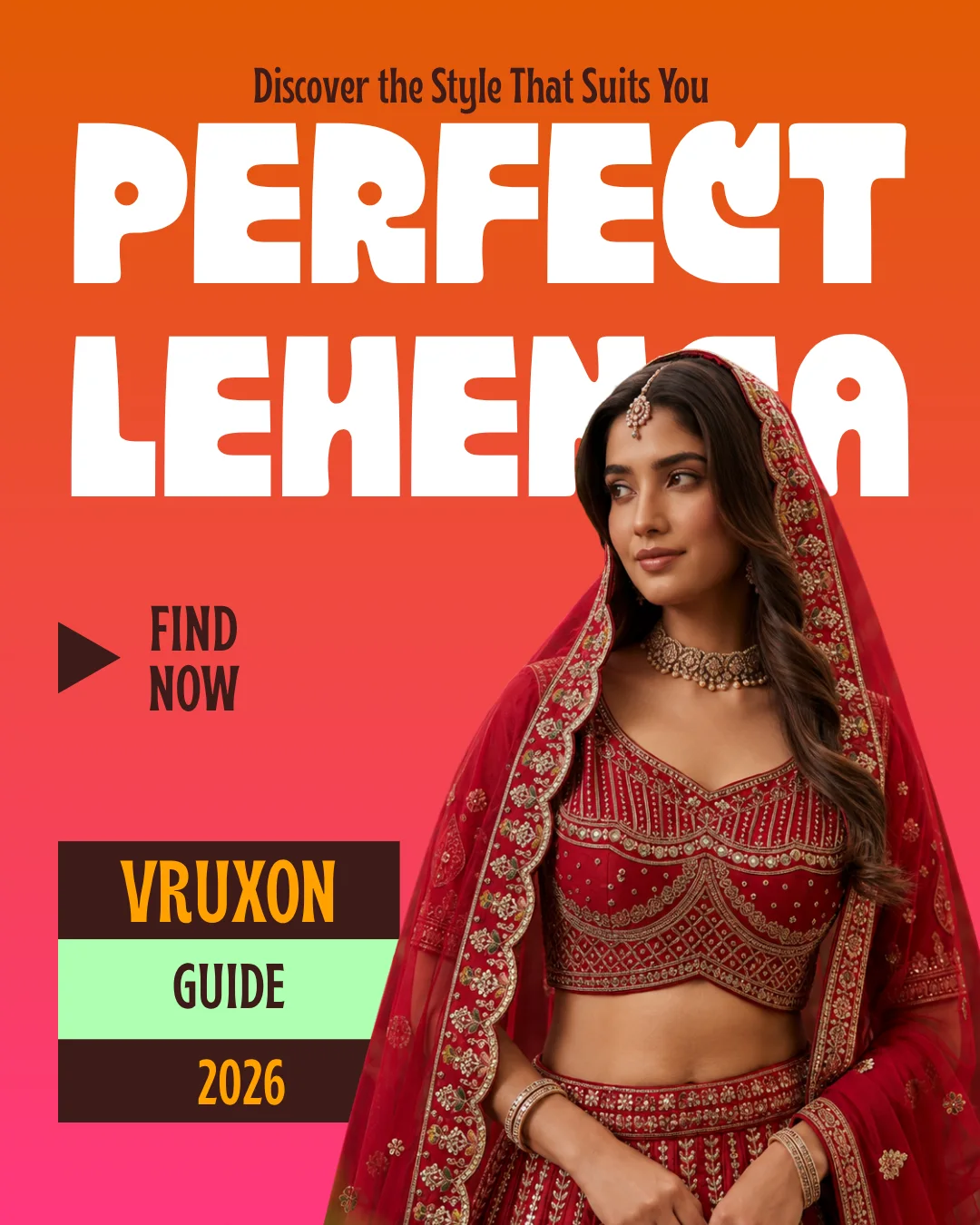
Choosing a lehenga is about more than finding a beautiful colour or an attractive embroidery design. The right outfit should make you feel comfortable, confident and ready to enjoy the occasion.
With so many silhouettes, blouse styles, fabrics and dupatta drapes available, it can be difficult to know which lehenga to choose. Some designs create a fuller, more traditional look, while others offer a lighter silhouette or a more structured appearance.
The good news is that there are no strict rules you must follow. Your personal style, comfort and the occasion matter just as much as your body shape. Understanding how different lehenga styles work can simply help you narrow down your choices.
Understand Your Body Shape Before Choosing a Lehenga
Body shape is one way to understand your natural proportions. People often describe their shape as pear, apple, hourglass, rectangle or inverted triangle, but these categories are only general guides. Many people have a combination of features.
Instead of trying to fit yourself into one category, consider what you enjoy wearing. You might prefer a defined waist, a flowing skirt, a structured blouse or a balanced silhouette.
When shopping for a lehenga, pay attention to three main elements: the skirt shape, the blouse design and the way the dupatta is draped. Together, these details influence the overall appearance of the outfit.
Lehenga Styles for a Pear Shaped Body
A pear shaped body generally has hips that are wider than the shoulders. If this describes your proportions, you may enjoy lehengas that create a balanced silhouette while allowing you to move comfortably.
A-line lehengas are a versatile option because they follow the waist and gradually flare towards the hem. They create a graceful shape without adding excessive volume around the hips.
You can also experiment with a blouse featuring interesting sleeves, embroidery around the neckline or decorative shoulder details if you want to draw attention upwards.
For the dupatta, try a drape over one shoulder or across the upper body. Choose the arrangement that feels comfortable and works well with your blouse.
Styling tip: If you prefer a less voluminous look, consider lighter fabrics and embroidery concentrated around the hem rather than heavy detailing across the entire skirt.
Lehenga Styles for an Apple Shaped Body
An apple shaped body often carries more fullness around the midsection, although proportions vary from person to person.
If comfort around the waist is important to you, look for a lehenga with a well-fitted but comfortable waistband and a skirt that falls smoothly from the waist. A-line and gently flared styles can be good options.
Blouses with a comfortable length and a neckline you enjoy can help you create a look that feels balanced. You might prefer a longer blouse, a classic fitted choli or a slightly structured design, depending on your taste.
Soft fabrics can create a flowing appearance, while heavier fabrics may offer more structure. Neither is automatically better; the right choice depends on the finished garment and how it feels when you wear it.
Styling tip: Check that the waistband sits comfortably when you sit, stand and walk. A beautiful lehenga should not require constant adjustment.
Lehenga Styles for an Hourglass Body Shape
An hourglass shape generally has shoulders and hips of similar width with a more defined waist.
If you enjoy highlighting your waist, fitted cholis and lehengas with a well-defined waistband can create a classic silhouette. Mermaid, fishtail and A-line lehengas are all options worth trying.
A mermaid lehenga follows the body more closely before flaring towards the bottom, while an A-line style offers more room through the skirt. Your preferred level of movement and comfort can help determine which works best.
For the blouse, experiment with sweetheart, square, V-shaped or boat necklines. The best neckline is the one that complements your outfit and feels right for you.
Styling tip: When choosing a fitted lehenga, check the ease of movement around the hips and knees. Make sure you can walk, sit and dance comfortably.
Lehenga Styles for a Rectangle Body Shape
A rectangle body shape generally has shoulders, waist and hips with relatively similar measurements.
If you enjoy creating more definition through your outfit, consider a lehenga with a structured waistband, a flared skirt or layered detailing. These elements can introduce shape and movement.
A blouse with puff sleeves, textured embroidery or decorative details can add visual interest. You can also try a peplum style or a blouse with a distinct waistline if that suits your personal style.
Circular and panelled lehengas can provide extra movement, while layered designs can create a fuller appearance.
Styling tip: You do not need to create curves to dress well. A sleek, straight silhouette can look equally elegant if that is the style you prefer.
Lehenga Styles for an Inverted Triangle Body Shape
An inverted triangle shape generally has shoulders that are broader than the hips.
If you prefer a more balanced silhouette, consider lehengas with gentle volume, pleats or panelled construction. These designs can add movement towards the lower half of the outfit.
A-line, circular and layered lehengas are all worth exploring. You can pair them with a simple blouse or choose detailed embroidery according to the look you want.
For dupatta styling, a single shoulder drape or an open drape may work well if you prefer less fabric around the upper body. A more traditional arrangement can also look beautiful when it complements your blouse.
Styling tip: Think about the overall proportions of the complete outfit, including the blouse sleeves, skirt volume and dupatta placement, rather than judging each piece separately.
How to Choose the Right Lehenga Skirt Style
Your body shape is only one consideration. The silhouette of the skirt has a major influence on the look and feel of the lehenga.
A-line lehenga: A versatile option that gradually flares from the waist. It works across many styling preferences and occasions.
Circular lehenga: Offers a fuller skirt with plenty of movement. It is a popular choice for festive events and traditional celebrations.
Panelled lehenga: Made with multiple fabric panels that can add structure, movement and visual interest.
Mermaid or fishtail lehenga: Follows the body more closely before flaring towards the hem. It creates a more fitted silhouette and requires careful attention to movement and fit.
Straight-cut lehenga: Offers a relatively streamlined appearance and may suit people who prefer a less voluminous design.
Try different silhouettes when possible. The same style can look different depending on the fabric, construction, waistband and embroidery.
Choose a Blouse That Complements Your Lehenga
The blouse is an important part of the complete outfit. Its neckline, sleeve length, fit and embroidery can change the overall appearance of your lehenga.
A few popular options include:
Sweetheart neckline: A classic shape often used in festive and bridal styling.
Square neckline: A structured option that works with many traditional and contemporary designs.
V-neck blouse: Creates a vertical neckline and can offer a more elongated visual effect.
High-neck blouse: Works well with intricate embroidery and statement earrings.
Full-sleeve blouse: Offers a refined look and can be paired with both heavily embroidered and minimalist lehengas.
Short-sleeve or sleeveless blouse: A versatile choice for different fabrics, climates and personal preferences.
The fit matters more than following a particular trend. Check the shoulder seams, armholes, bust fit and blouse length. You should be able to move your arms naturally without pulling or discomfort.
Select the Right Fabric for Your Lehenga
Fabric affects how a lehenga falls, how much volume it creates and how comfortable it feels throughout the event.
Net can create a light, voluminous appearance, depending on the layers and lining. Georgette often offers a softer drape, while velvet can create a richer and more structured look. Silk and satin varieties can provide different levels of sheen and movement depending on their construction.
Heavily embroidered fabrics may feel heavier than simpler designs. If you are attending a long wedding celebration, consider the weight of the skirt, the comfort of the lining and the ease of walking.
Also check whether the fabric is sheer, how the lining is constructed and whether the outfit needs additional support or alterations.
Styling tip: Choose fabric according to the season, venue, duration of the event and the type of silhouette you want.
Use Dupatta Draping to Complete Your Look
A dupatta can change the appearance of the same lehenga without changing the outfit itself.
A single shoulder drape creates a classic and relatively simple look. A pleated shoulder drape can keep the fabric organised, while an open drape offers a softer appearance. Draping the dupatta across the front can introduce a more traditional style.
If your blouse and skirt already feature heavy embroidery, a simpler drape may allow the details to stand out. If the outfit is relatively minimal, a decorative dupatta can become the focal point.
Consider the dupatta's length, weight and border before deciding how to wear it. The arrangement should stay secure and allow you to move comfortably.
Common Mistakes to Avoid When Buying a Lehenga
Even a beautiful lehenga may not feel right if important details are overlooked.
Choosing a style only because it is trending: Trends can provide inspiration, but your comfort and personal preferences should guide the final decision.
Ignoring measurements: Do not rely on a general size label alone. Check the waist, hip and length measurements, as well as the blouse sizing.
Overlooking the blouse details: Confirm whether the blouse is stitched, semi-stitched or unstitched and whether alterations are possible.
Choosing a skirt that is difficult to manage: Consider the weight, length and volume of the skirt, especially if you will be walking or dancing.
Forgetting the footwear: Your footwear can affect the final skirt length and how comfortably you move.
Judging quality only from photographs: Review close-up images, fabric descriptions, embroidery details and finishing information before purchasing online.
Final Checklist Before Choosing Your Lehenga
Before making your final decision, ask yourself these questions:
Does the silhouette match the look I want?
Is the waistband comfortable?
Can I walk, sit and dance easily?
Does the blouse fit properly?
Is the fabric suitable for the season and event?
Are the skirt length and volume manageable?
Do I like the way the dupatta sits?
Have I checked the stitching status, measurements and included pieces?
If the answers are positive, you are more likely to choose an outfit that looks good and feels comfortable throughout the occasion.
Final Thoughts
The perfect lehenga is not determined by a single body shape, trend or styling rule. It is the one that makes you feel confident, comfortable and happy with your appearance.
Explore different skirt silhouettes, blouse designs, fabrics and dupatta drapes before making your decision. Pay attention to fit, construction and ease of movement, and choose the details that reflect your personal style.
Whether you prefer a flowing A-line lehenga, a voluminous circular design or a fitted mermaid silhouette, the right outfit is the one that feels like you.
Explore the ethnic wear collection at VRUXON to discover lehenga styles for weddings, festive celebrations and special occasions.
Frequently Asked Questions
Which lehenga style suits most body shapes?
A-line lehengas are a versatile starting point because they offer a gradual flare and can be styled in many ways. However, the best choice depends on your preferred fit, fabric, comfort and personal style.
Should I choose a lehenga according to my body shape?
Body shape can help you understand proportions, but it should not limit your choices. Focus on the silhouette you like, a comfortable fit and the overall appearance you want.
Which lehenga is best for a petite woman?
A petite woman may prefer a well-proportioned skirt length, a waistband that sits comfortably and a blouse that complements her proportions. A-line and moderately flared styles are worth trying, but the best choice depends on the individual outfit and fit.
How do I choose a lehenga if I want a fuller skirt?
Look for circular or layered styles with suitable fabric, lining and construction. Check the weight and volume to ensure the skirt is comfortable to wear.
What should I check when buying a lehenga online?
Review the size chart, fabric details, skirt length, blouse stitching status, dupatta specifications, close-up photographs, delivery information and return policy before ordering.